
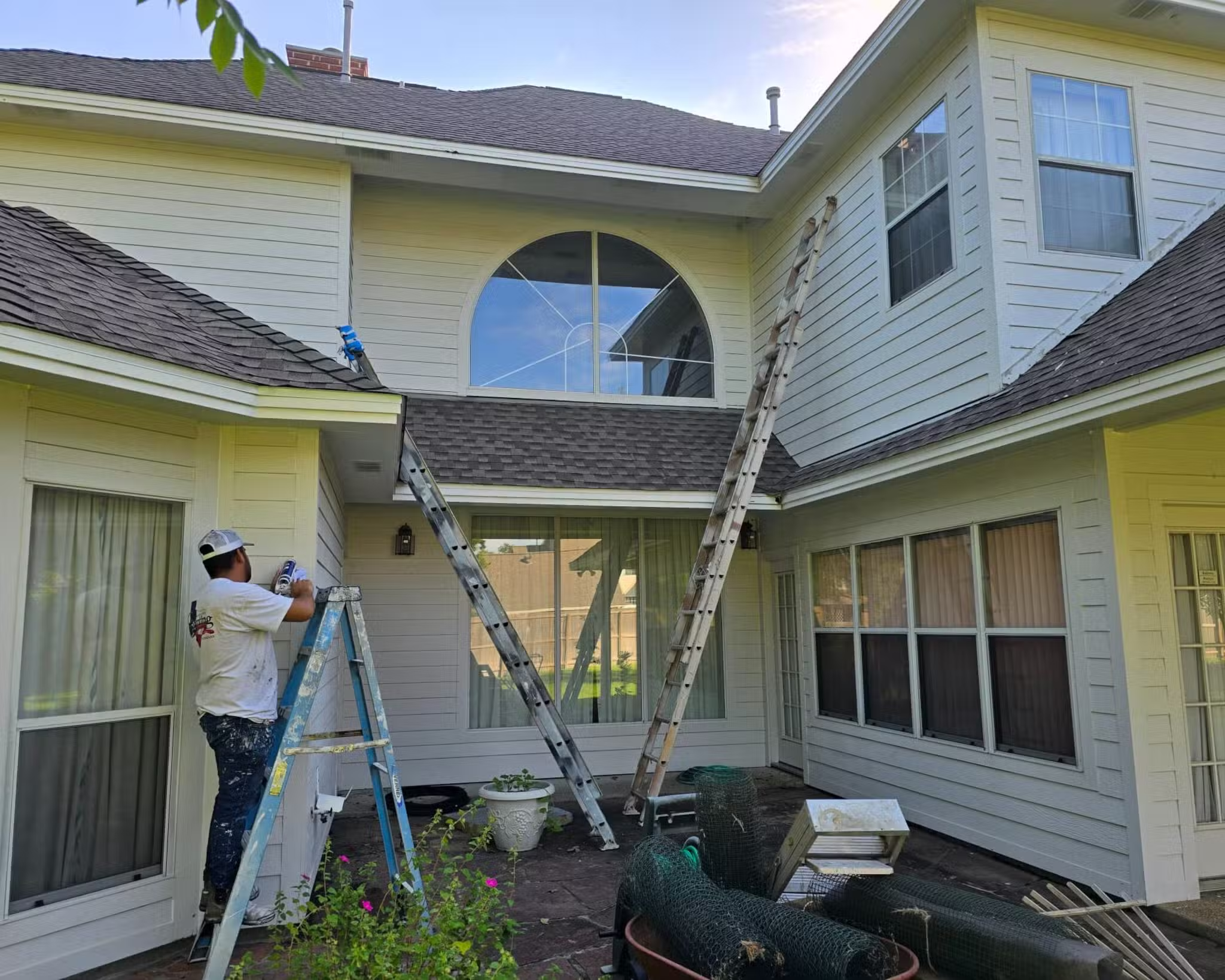
Painting Prep: Why Power Washing Matters For North Houston Homes
Paint jobs don’t typically fail because bad paint was used; they fail because of what was underneath it. In better words – they fail because the house wasn’t cleaned off before the first coat went on. Power washing is one of the least glamorous parts of a painting project, but it’s arguably an important step that ultimately determines whether your new paint lasts five years or fifteen. Here’s what it actually does, what happens when it’s skipped, and why it’s not a job for a rented pressure washer and a free Saturday.
What Power Washing Actually Removes Before a Paint Job
Your Texas home’s exterior collects dirt, pollen and residue over time, as things settle into the siding and stucco and paint is broken down by exposure to the sun and harsh elements. Mildew and mold spores take hold in shaded, humid corners. And loose or peeling paint clings on in patches, ready to lift the moment new paint is applied over it.
These are not things that a paint brush or roller can push through. In order to bond correctly, paint needs a clean and stable surface. So power washing is what gets your home from “looks ready” to actually paint-ready.
Why Texas Homes Need Thorough Exterior Cleaning
Your Texas home’s exterior collects dirt, pollen and residue over time, as things settle into the siding and stucco and paint is broken down by exposure to the sun and harsh elements. Mildew and mold spores take hold in shaded, humid corners. And loose or peeling paint clings on in patches, ready to lift the moment new paint is applied over it.
These are not things that a paint brush or roller can push through. In order to bond correctly, paint needs a clean and stable surface. So power washing is what gets your home from “looks ready” to actually paint-ready.
Spring, Conroe, Tomball, Kingwood, and Humble Homes
Homes in and around The Woodlands sit under heavy tree canopy, which means shade, humidity, and a steady drop of pine sap, pollen, and organic debris onto siding and trim. That shade also slows drying time on painted surfaces, giving mildew and mold more opportunity to take hold in corners that rarely see direct sun. Proximity to lakes, creeks, and drainage areas throughout the area adds to the moisture load.
Bryan, College Station, Hearne, Calvert, Madisonville, and Navasota Homes
Homes in the Brazos Valley tend to face more direct, sustained sun exposure with less tree cover, which accelerates chalking and UV breakdown of older paint. Wind carries dust and debris from open fields and agricultural land onto siding, and homes near farm roads or unpaved drives often collect more grit than homes in denser, more shaded neighborhoods.
And if your home is near trees, irrigation systems, drainage areas, or busy roads, you may experience even more buildup. After storms, wind-driven dirt and moisture can also settle into textured surfaces like stucco, brick, and masonry.
These contaminants may not always be obvious from the ground, but they can interfere with how your paint adheres to the exterior of your home. Power washing gives the painting team a clean surface to inspect and helps reveal peeling paint, cracks, damaged caulking, and other areas that may need attention before painting begins.
What Happens When This Step Gets Skipped
Consider this. If power washing is skipped (or even rush this step in your process), you are basically having a new coat of paint applied over dirt, residue, or old, failing paint. That barrier prevents proper adhesion, and the consequences often appear sooner than homeowners expect:
- Peeling or flaking paint
- Bubbling or blistering
- Uneven sheen
- Blotchy or inconsistent color
This is why your paint warranty depends on the job’s prep work and how surface preparation was handled, and not just because of the quality of the paint used. Even premium paint applied over a poorly prepared surface can fail early—and that failure can often be traced back to a step completed before the first can of paint was ever opened.
Power Washing vs. Pressure Washing — Is There a Difference?
People often use the terms power washing and pressure washing interchangeably and think they are the same thing, but they’re not. Pressure washing uses plain water at high PSI, while power washing adds heated water, which is more effective at breaking down grime, mildew, and chalking residue on painted surfaces.
DIY approaches and inexperience can backfire if not done correctly. Too much pressure, the wrong nozzle, or incorrect technique can cause more problems, stripping paint unevenly, gouging wood siding, or driving water behind trim and siding where it doesn’t belong. This then creates moisture problems that are worse than the ones prep was supposed to solve. It’s a step that looks simple but rewards experience.
Different Exterior Surfaces Require Different Techniques
Not every part of a home should be cleaned with the same amount of pressure. Durable surfaces such as concrete and some masonry can generally tolerate stronger cleaning methods, while wood siding, stucco, trim, and previously painted surfaces may require a gentler approach.
The condition of the material also matters. Older wood can splinter or become gouged when too much pressure is used. Water can be forced behind siding, around windows, or into small openings if the spray is directed incorrectly. Even stucco can be damaged if cracks or weak areas are hit too aggressively.
Professional surface preparation is not simply about using the highest pressure possible. It involves choosing the correct pressure, nozzle, distance, cleaning method, and direction of spray for each surface. The goal is to remove contaminants without creating new damage that must be repaired before painting.
Why Drying Time Matters Before Painting
Your North Houston home should not be painted immediately after power washing. The exterior needs to dry completely so that there is no moisture trapped beneath the primer or the topcoat. Painting surfaces when damp creates issues with paint adhesion and can also contribute to bubbling and blistering or even premature peeling.
Drying time depends heavily on local conditions. In shaded, humid pockets around The Woodlands, Spring, Conroe, Tomball, Kingwood, and Humble, porous materials like wood and stucco can take noticeably longer to dry, especially in areas with heavy tree cover. In the more open, sun-exposed properties around Bryan, College Station, Hearne, Calvert, Madisonville, and Navasota, drying tends to move faster on directly exposed walls, but shaded sides of the home can still lag behind.
That’s why it’s so important to use an experienced painting team to evaluate your home and the surface conditions and not promise a fixed timeline. Waiting until the exterior is properly dry helps the primer and paint bond as intended and supports a more durable finish.
How Guaranteed Painting Approaches Pre-Paint Surface Prep
Power washing is one piece of a full prep sequence that we walk every property through before any exterior house painting project. It’s the same process behind our written warranty tiers: a 5-, 7-, or 10-year warranty only makes sense if the prep underneath the paint was done right in the first place.
What We Look for During Surface Preparation
Once your home is pressure washed and then dry, our Guaranteed Painting Company team will evaluate the clean exterior for conditions that could impact your final paint result, such as loose paint, cracks in the caulking, mildew or exposed wood, siding damage and cracks in your stucco. We will look for all areas that moisture could potentially enter.
We will then determine what your paint project needs before we even begin the paint job. During your free estimate, we explain the preparation steps we recommend and why they matter. That gives you a clearer picture of what is included in the project and how the prep work supports the appearance, durability, and warranty of your new exterior paint.
If you’re planning an exterior repaint and want to understand exactly what prep your home needs, we’re happy to walk through it as part of a free estimate. With hundreds of 5-star reviews and an A+ rating with the BBB, trust our team to give you peace of mind during your exterior paint project.
Frequently Asked Questions
Do I need to power wash my house before every paint job, even if it doesn’t look dirty?
Yes. Contaminants like chalking residue, mildew spores, and pollen buildup are often invisible from a normal viewing distance but still sit on the surface and prevent paint from bonding correctly. A home can look clean and still fail an adhesion test.
Can I pressure wash my own house before painters arrive to save money?
We don’t recommend it. Incorrect pressure, nozzle choice, or spray angle can force water behind siding and trim or strip old paint unevenly, creating problems that take longer to fix than the prep was meant to prevent. It’s also why this step is included in our estimate rather than treated as optional homeowner prep.
How long does my house need to dry before painting can start?
It depends on the surface material, shade, and humidity at your specific property, so we don’t quote a fixed number of days upfront. Porous materials like wood and stucco, especially in shaded areas, generally need more time than sun-exposed surfaces.
Will power washing damage my siding, stucco, or trim?
Not when it’s done correctly. Different materials require different pressure levels and techniques; the risk of damage comes from using too much pressure or the wrong approach for the surface, not from the process itself.
Does power washing affect my paint warranty?
Yes, indirectly. Our written warranty tiers assume the surface was properly prepped before painting. Skipping or rushing power washing and drying time is one of the more common reasons paint fails early, so it’s a required step in every project we warranty.